Oct 26, 2026
For years, “normal” LDL cholesterol has been treated as if it were the same thing as “safe.” It is not.
LDL cholesterol is one part of the atherosclerosis story, but the important exposure is cumulative. The longer arterial walls are exposed to atherogenic lipoprotein particles, the more opportunity there is for particles to enter the arterial wall, become retained, and contribute to plaque formation.
That is why the question is changing. Instead of asking only whether an LDL result is high enough to treat, we should also ask whether it is low enough for the person’s lifetime cardiovascular risk.
The evidence does not support the simplistic claim that an LDL below 60 mg/dL guarantees that a person has no heart disease. It does support a more useful conclusion: lower LDL-C is generally associated with lower atherosclerotic risk, and people with established atherosclerotic cardiovascular disease often benefit from intensive lowering to levels well below traditional laboratory “normal” ranges.
LDL-C is a concentration: the amount of cholesterol carried within LDL particles in the blood. It is not a direct measurement of plaque, plaque stability, or the number of atherogenic particles. ApoB, non-HDL-C, triglyceride-rich remnants, lipoprotein(a), blood pressure, smoking, diabetes, inflammation, age, and inherited risk also matter.
An LDL result below 60 mg/dL is therefore encouraging, but it does not function as a binary test for whether plaque is present. Someone can have a low current LDL after years of higher exposure. Someone can also have plaque driven by other risk factors or a high lipoprotein(a) level despite an apparently favourable LDL-C.
That distinction matters because some of the strongest graphics used in discussions of LDL below 60 come from observational imaging studies. Those studies can show that lower LDL is associated with less detectable plaque. They cannot prove that 60 mg/dL is a universal biological cut-off below which atherosclerosis cannot occur.
The Progression of Early Subclinical Atherosclerosis (PESA) study examined 4,184 asymptomatic middle-aged adults using vascular imaging. The researchers assessed several arterial territories, including the carotid, aortic, and iliofemoral arteries, with coronary calcium assessment in the study protocol.
The study found a graded relationship: as LDL-C increased, the prevalence and extent of subclinical atherosclerosis increased. Even LDL values that would often be reported as “normal” were associated with detectable plaque in some participants. The association persisted in people without conventional risk factors.
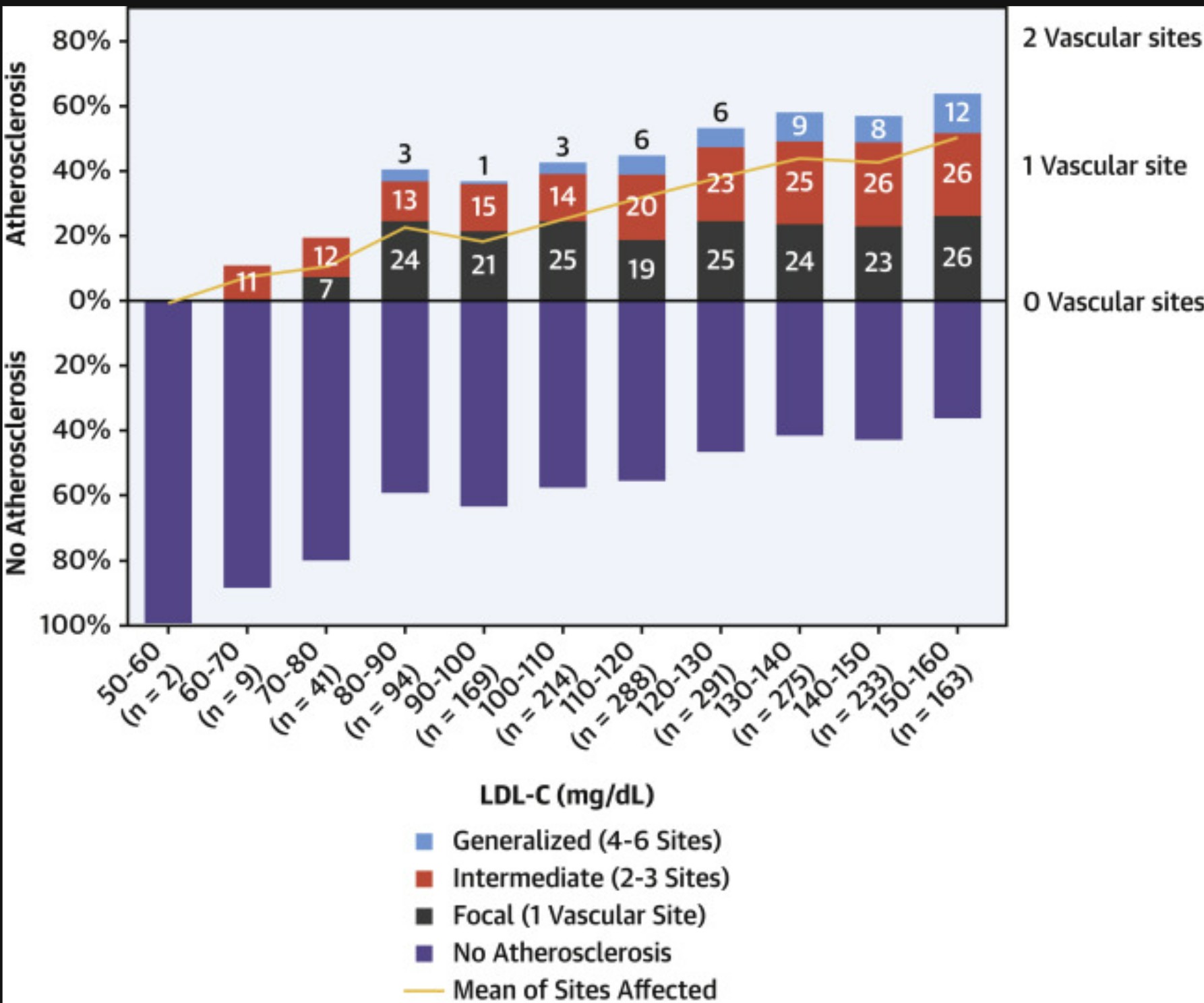
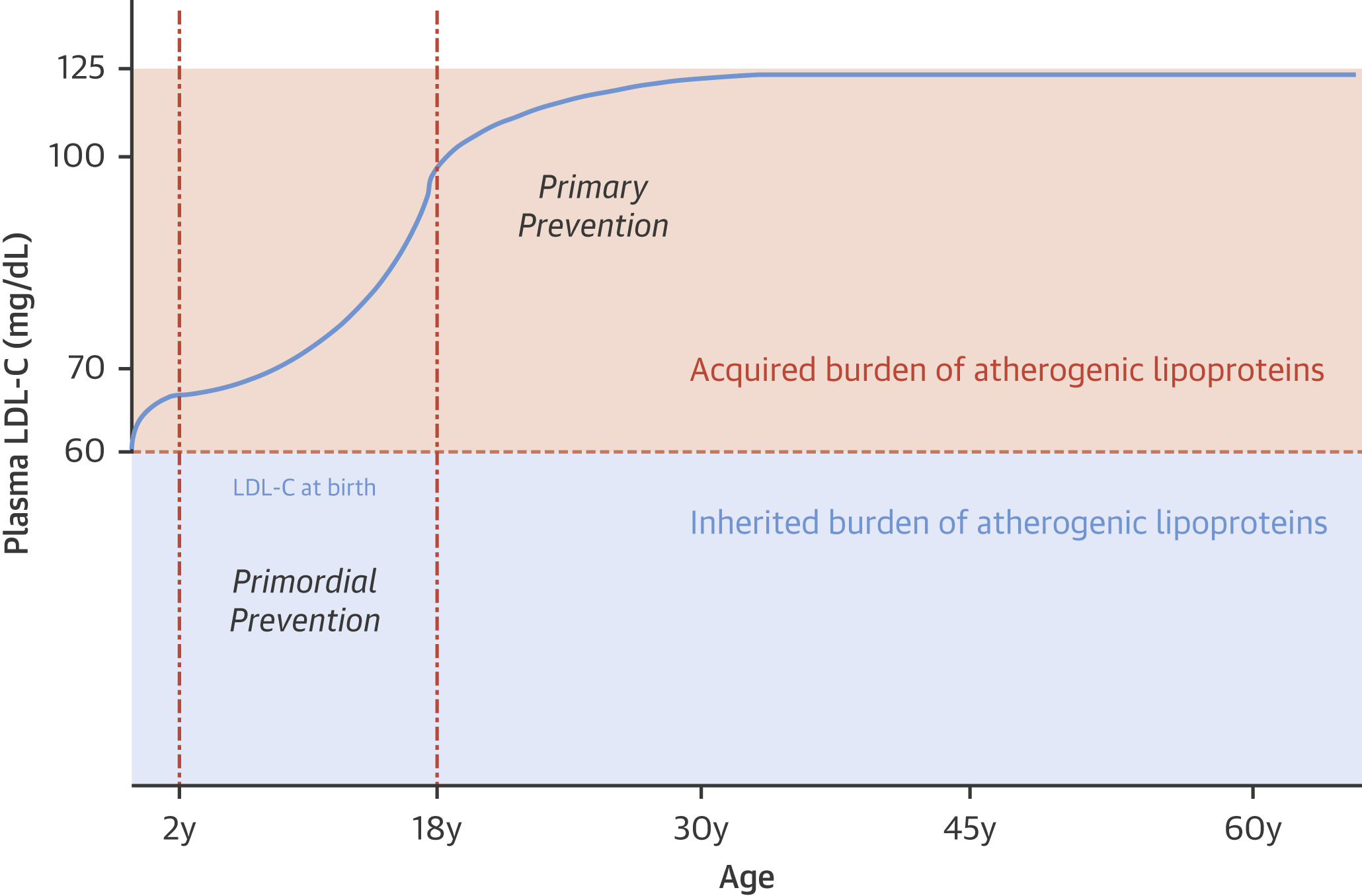
The correct interpretation is not “LDL below 60 prevents all heart disease.” The better interpretation is that there is no clearly safe LDL boundary at which atherosclerosis suddenly begins. Risk appears to accumulate across a continuum, and lower exposure is generally better.
That is a clinically important message, but it is different from proving a universal threshold.
There are three related questions, and they should not be collapsed into one:
The evidence is strongest for reducing cardiovascular events in people at elevated risk. Imaging trials provide additional evidence that intensive treatment can slow progression and produce modest regression in some patients, but plaque regression is not the same as removing every lesion or eliminating future risk.
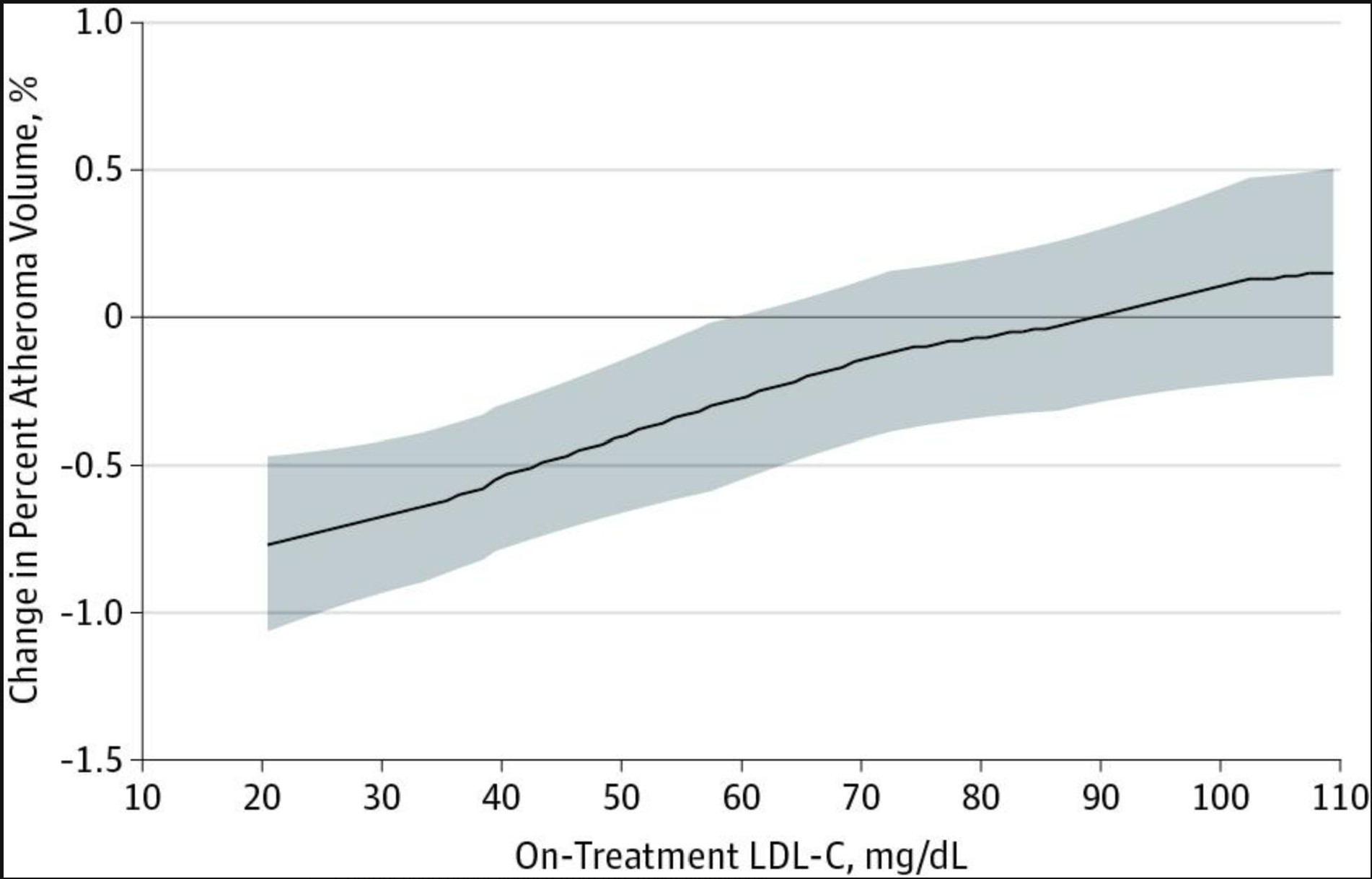
In the GLAGOV trial, patients with established coronary disease received statin therapy with or without evolocumab. The evolocumab group reached a mean LDL-C of approximately 37 mg/dL and had a greater reduction in percent atheroma volume than the statin-only group. The trial supports the biological plausibility of plaque regression with intensive LDL lowering, but it involved selected patients with coronary disease and used intravascular ultrasound rather than a direct measure of lifetime clinical outcomes.
The ASTEROID study similarly showed modest plaque regression in patients treated with high-dose rosuvastatin, with mean LDL-C around 61 mg/dL. Again, this is evidence about a treated population with coronary disease—not proof that every person should pursue the same number.
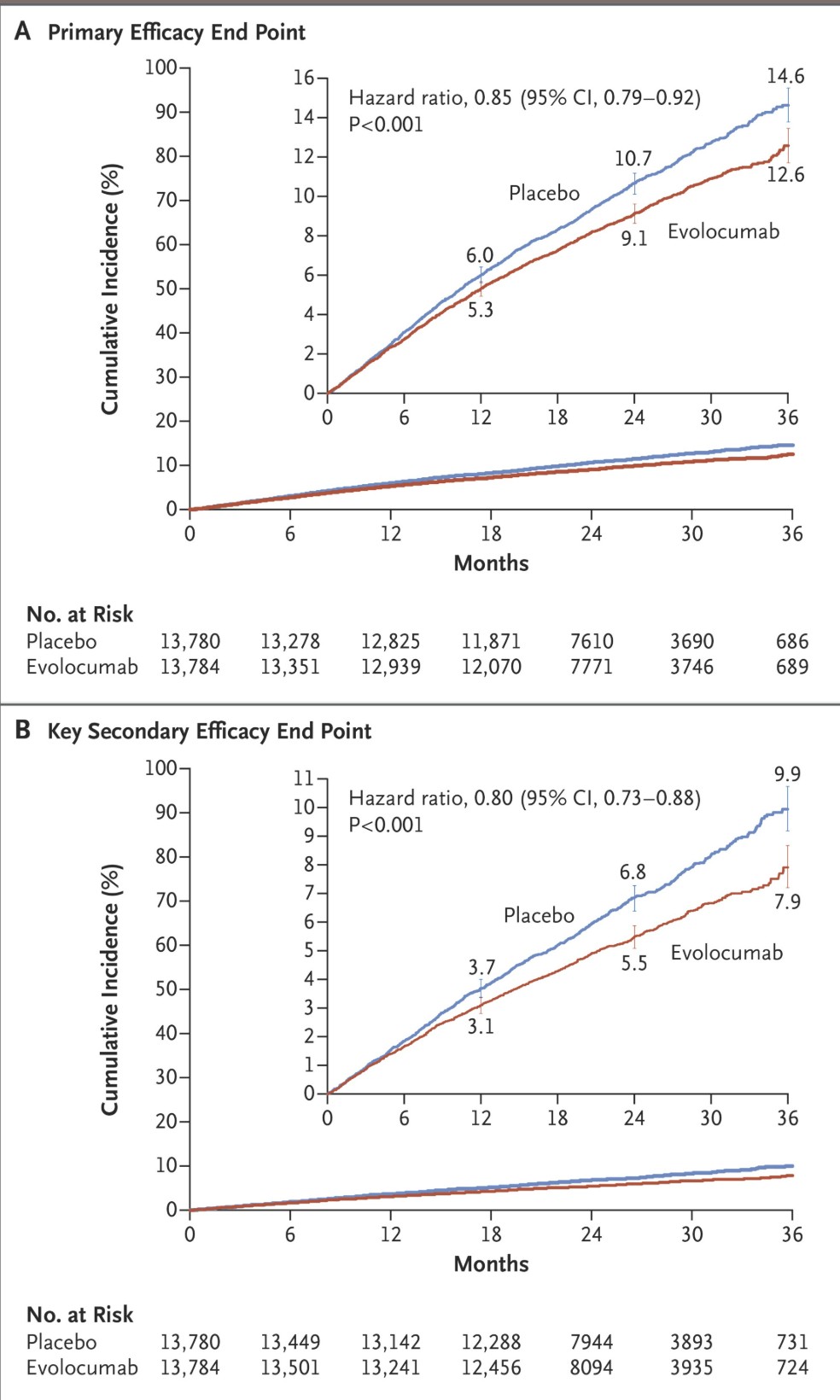
The FOURIER trial randomized 27,564 patients with established atherosclerotic cardiovascular disease to evolocumab or placebo on top of statin therapy. Evolocumab reduced LDL-C substantially and reduced major cardiovascular events during follow-up. A prespecified analysis found that the relationship between achieved LDL-C and cardiovascular risk continued to be favourable to very low levels, without a clear safety signal over the trial period.
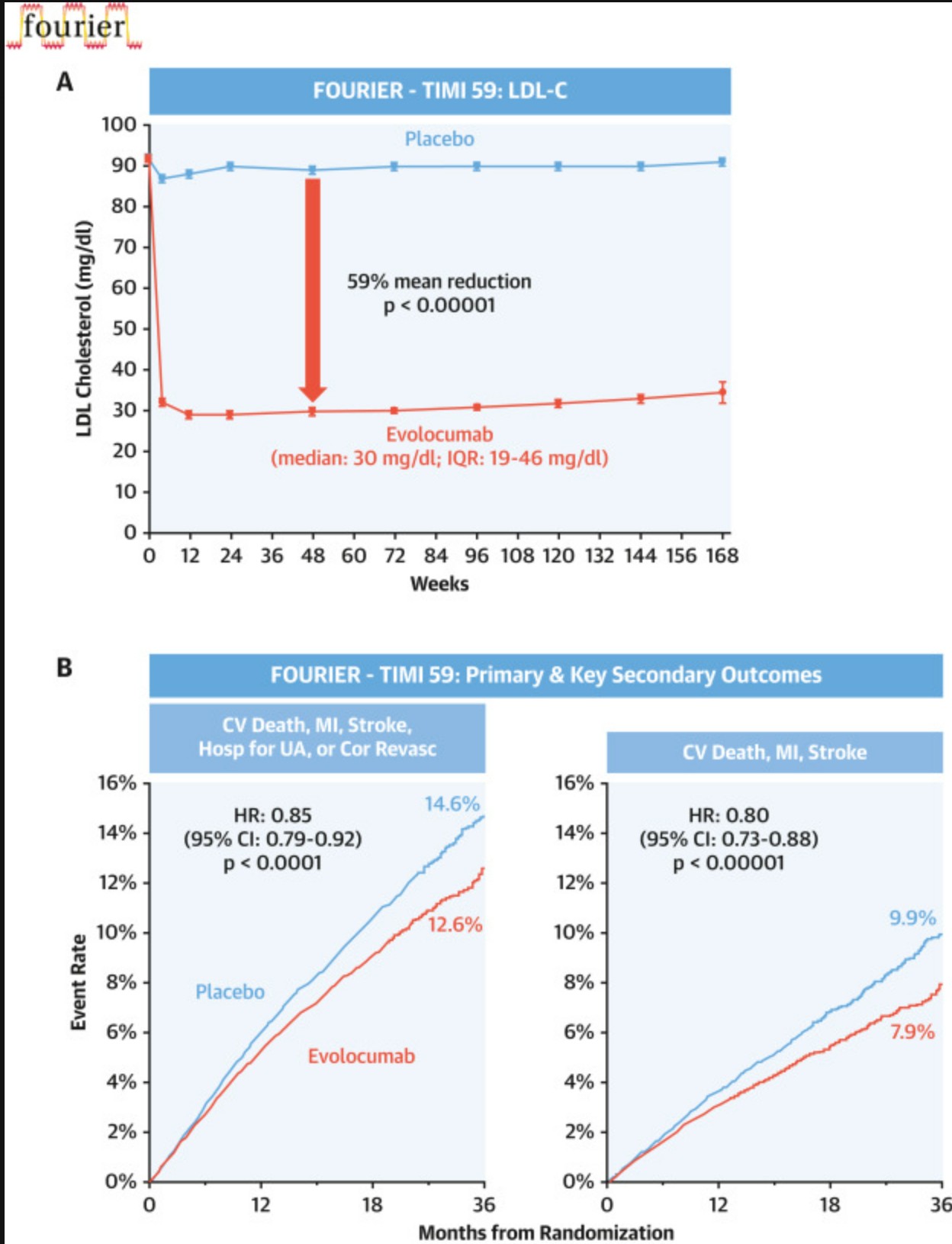
The practical point is that the trial tested a treatment strategy in people who already had cardiovascular disease. It does not mean that every low-risk person should be prescribed a PCSK9 inhibitor, or that medication decisions can be made from LDL-C alone.
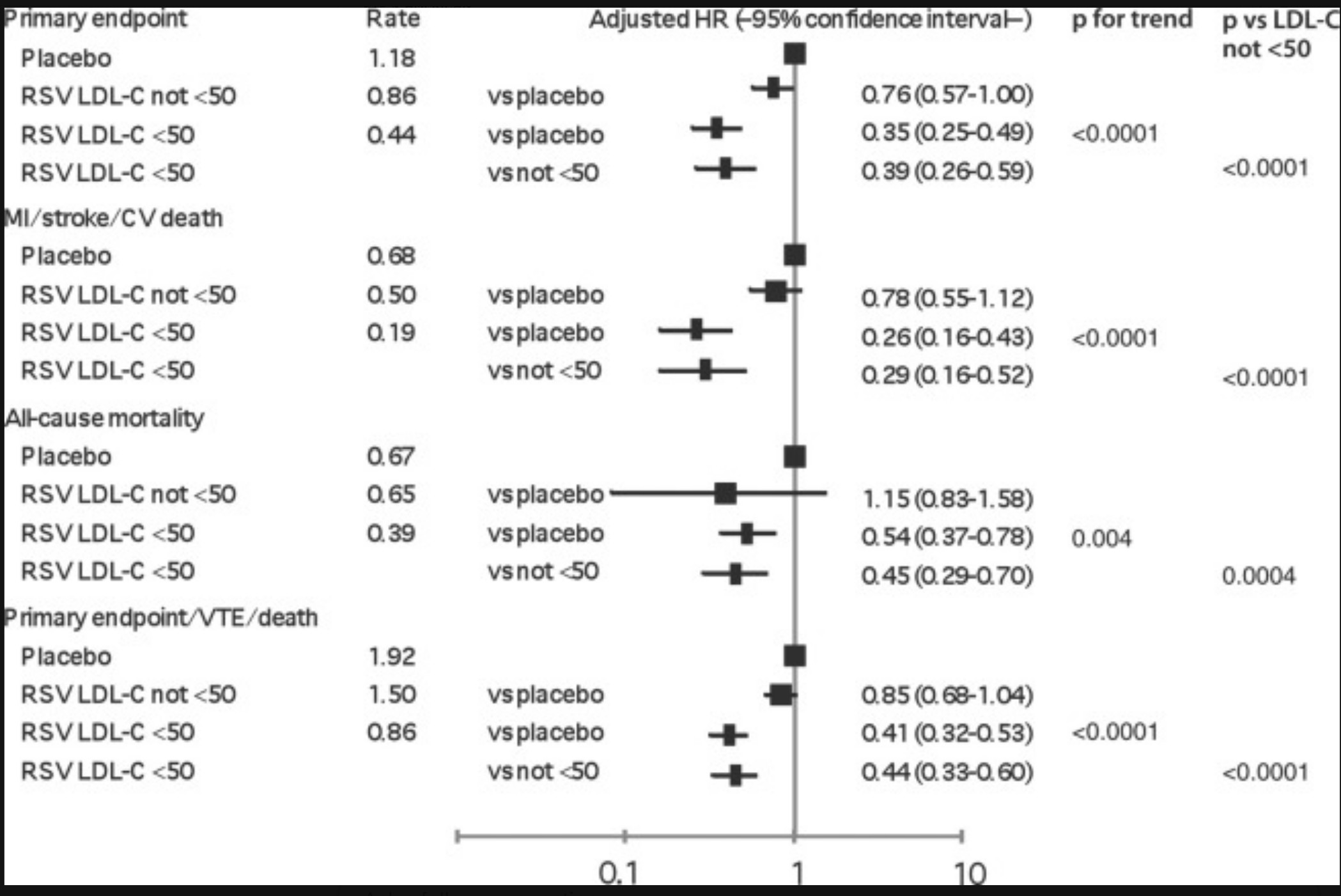
The ODYSSEY OUTCOMES trial reached a similar broad conclusion in patients after acute coronary syndrome: adding alirocumab to intensive statin therapy lowered LDL-C and reduced cardiovascular events. In JUPITER, a primary-prevention population with elevated hs-CRP and relatively low baseline LDL-C benefited from rosuvastatin, and participants who achieved LDL-C below 50 mg/dL had fewer events in a post hoc analysis. Because that analysis was based on achieved LDL rather than randomization to a target of below 50, it should be interpreted as supportive—not as proof that the number itself is a universal treatment target.
The more clinically useful question is often not whether LDL can be driven very low, but whether a lower treatment target improves outcomes compared with a less intensive target for a defined high-risk group.
The 2026 Ez-PAVE trial compared an LDL-C target below 55 mg/dL with a target below 70 mg/dL in patients with established atherosclerotic cardiovascular disease. The lower-target group had fewer major cardiovascular events, with no major difference in the principal safety outcomes reported by the investigators.
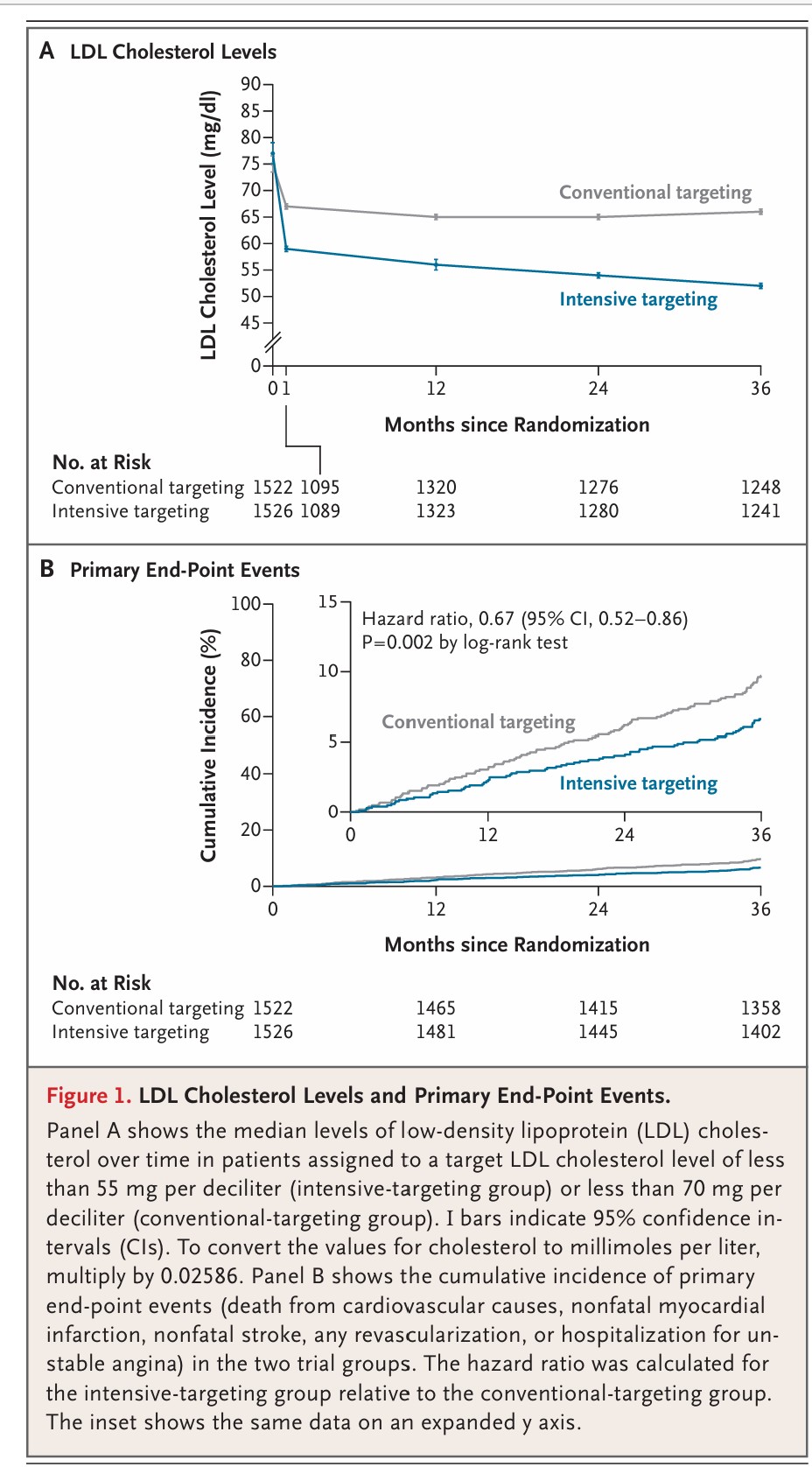
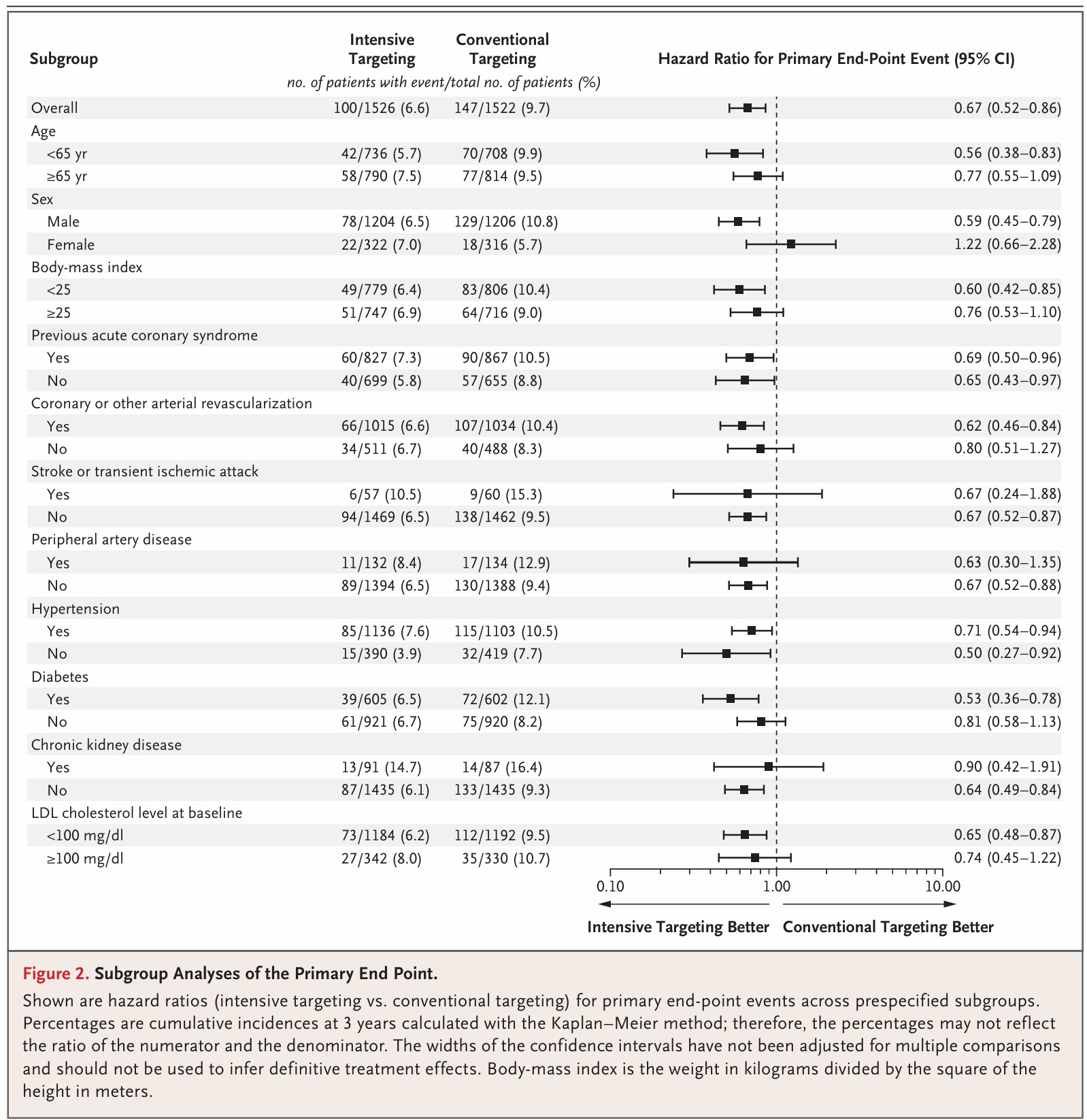
This strengthens the case for intensive LDL lowering in secondary prevention. It does not automatically convert a secondary-prevention target into a universal primary-prevention prescription. The patient’s baseline risk, coronary disease burden, family history, lipoprotein(a), ApoB, blood pressure, diabetes status, medication tolerance, cost, and preferences still matter.
Randomized trials and follow-up studies have not identified a major short-term safety penalty simply because LDL-C is very low. In FOURIER analyses, achieved LDL-C levels below 20 mg/dL were associated with lower cardiovascular risk and no statistically significant increase in several prespecified safety outcomes over the available follow-up.
That is reassuring, but “reassuring” is not the same as “every possible long-term question is settled.” The duration of exposure, the drug used, the patient population, and the reason for treatment all matter. A low LDL caused by appropriate therapy is also different from an unexpectedly low value that has not been explained.
If your LDL-C is above 60 mg/dL, that does not mean you have heart disease or that treatment is automatically required. If your LDL-C is below 60 mg/dL, that does not prove that your arteries are free of plaque.
What it does mean is that LDL-C should be interpreted in context:

The evidence supports a simple direction of travel: lower cumulative exposure to LDL-containing atherogenic particles generally means lower atherosclerotic risk. In people with established cardiovascular disease, lowering LDL-C well below traditional targets reduces events, and intensive therapy can slow plaque progression and produce modest regression in some settings.
But LDL below 60 mg/dL is not a magic force field. It is not a diagnostic test that excludes plaque, and it is not a universal medication target for every person. The number is most useful when interpreted alongside lifetime exposure, ApoB and lipoprotein(a), blood pressure, glucose, smoking, family history, imaging, and the difference between preventing a first event and preventing another one.
The right question is not simply, “Is my LDL normal?” It is, “Given my total risk and lifetime exposure, is my LDL low enough—and is the way I got there appropriate for me?”
This article is educational and is not a substitute for individualized medical advice.
